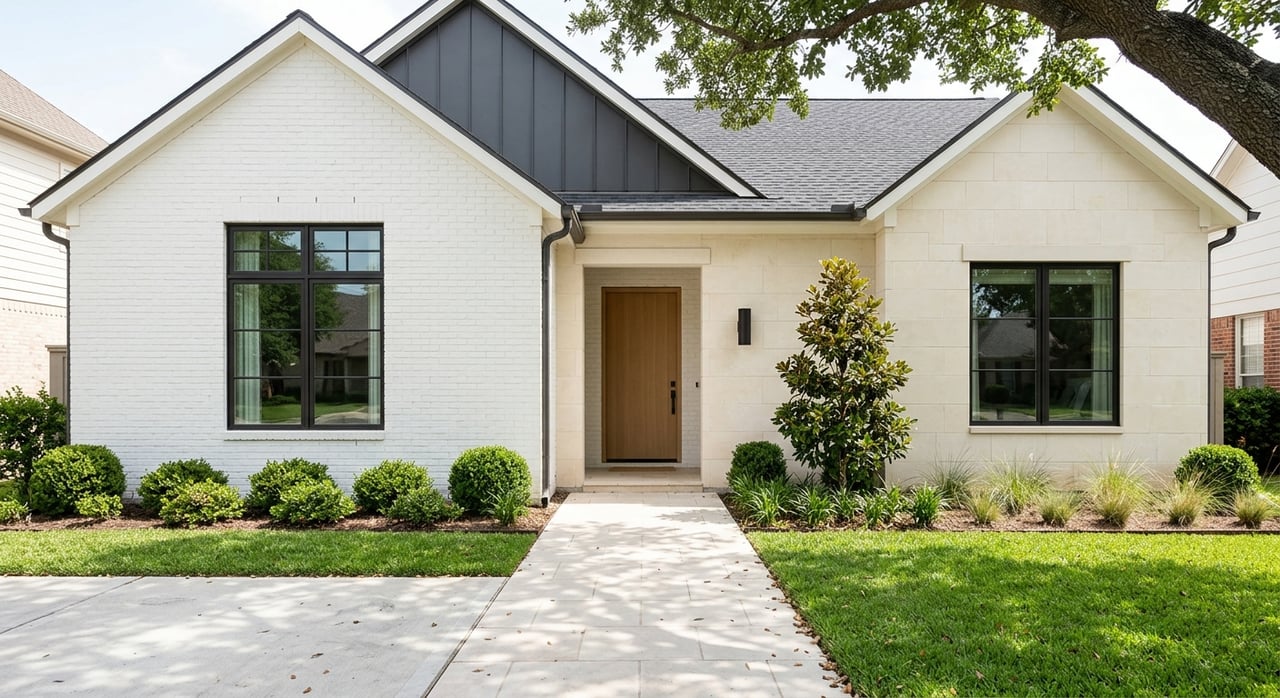
If you are comparing Highland Park and University Park, you are probably not just asking which area you like more. You are trying to understand how the homes actually live, how the streets feel, and what your money tends to buy in each part of the Park Cities. That is where the differences become more useful. This guide breaks down how homes differ in Highland Park and University Park so you can tour with more clarity and make a more confident decision. Let’s dive in.
Highland Park and University Park at a Glance
Highland Park and University Park make up the Park Cities, and both are small, mostly residential enclaves with long development histories. Highland Park incorporated in 1913 and covers about 2.26 square miles, while University Park began developing around SMU in 1915, incorporated in 1924, and spans about 3.7 square miles.
Because homes in the Park Cities were built over nearly 100 years, both areas offer a wide architectural mix. Even so, each city has its own patterns in lot sizes, site layout, architectural continuity, and access to neighborhood shopping districts.
Lot Sizes Shape the Feel
One of the clearest differences between Highland Park and University Park is how lot standards can shape the feel of a street. In Highland Park, zoning for detached single-family homes ranges from very large estate-scale lots of up to 5 acres in District A down to 6,500 square feet in several districts. Minimum lot widths range from 200 feet down to 55 feet.
In University Park, single-family districts range from 35,000 square feet in SF-1 down to 7,000 square feet in SF-4. Minimum widths range from 150 feet to 50 feet, with lot depths generally set at 150 feet or 120 feet.
What does that mean when you are driving the neighborhoods? Highland Park often feels more estate-like on its largest residential streets because the zoning allows for a broader top end. University Park tends to feel a bit more standardized at the smaller-lot end, though the experience can still vary significantly from block to block.
Highland Park Often Feels More Formal
Highland Park is often associated with a more historically continuous streetscape. Early housing there is closely tied to Tudor, Georgian, and Spanish Colonial Revival styles, and that visual identity still plays a big role in how the town is perceived today.
That does not mean every home is historic or every street looks the same. It does mean that as you tour Highland Park, you may notice a stronger sense of architectural continuity and a more formal, established look on many streets.
University Park Often Shows More Variety
University Park began as a cluster of homes around SMU, and its housing stock reflects that layered history. Market coverage and city history point to a mix that includes older homes, remodeled originals, newer custom builds, Tudors, and Mediterranean-inspired estates.
For buyers, that can translate into more visible variety from one block to the next. You may see an original house beside a major renovation, followed by a newer custom home. If you like comparing different architectural expressions and levels of updating within a compact area, University Park often delivers that mix.
Rebuild Rules Matter in Both Cities
If you are considering a teardown, major renovation, or custom build, both cities require close attention to local rules. In Highland Park, new work requires permits, plan review, and inspections.
In University Park, new single-family construction requires a single platted lot. If a lot has been split or assembled, the city requires an amending plat or replat before a permit can be issued.
These are not minor details. They directly affect timeline, feasibility, and how a home may sit on its lot after setbacks and other standards are applied. If you are shopping with renovation or new construction in mind, construction-informed guidance can be especially valuable.
Walkability Looks Different in Each Area
For many buyers, lifestyle is not just about the house. It is also about what you can walk to and how the commercial center feels.
In Highland Park, Highland Park Village was built in 1931 and is described by the town as the first shopping center of its kind in the United States. A town-sponsored parking study describes it as a mixed-use, walkable environment designed to encourage people to park once and walk to multiple destinations.
In University Park, Snider Plaza opened in 1927 and is described by the city as the heart of University Park and its original commercial district. The city also points to nearby shopping and dining areas along Preston Road, Lovers Lane, and around SMU and Mockingbird.
If you want quick access to a luxury retail and dining environment, homes near Highland Park Village may be especially appealing. If you prefer a neighborhood commercial center with a main-street feel, homes near Snider Plaza often stand out.
Price Positioning Is Different Too
Current listing data shows Highland Park with a median listing home price of $4.0 million and about $951 per square foot. University Park shows a median listing home price of $2.55 million and about $719 per square foot.
Inventory also differs somewhat, with 57 active homes listed in Highland Park and 81 active homes in University Park in the reported snapshot. That can give University Park buyers a bit more to compare at any given moment, though both markets remain competitive.
Sold data adds another layer. A recent Redfin snapshot shows Highland Park with a median sale price of $2.34 million, about $815 per square foot, and an average of 16 days on market. University Park shows a median sale price of $2.50 million, about $750 per square foot, and about 23 days on market.
The takeaway is fairly simple. Highland Park currently reads as the more expensive ask market, especially on a price-per-square-foot basis. University Park still sits firmly in the luxury category and can post slightly higher closed-sale medians depending on the mix of homes sold in a given period.
Which Home Style Fits You Best?
If your priority is a larger-lot setting, a more estate-like feel, and a stronger sense of historic architectural continuity, Highland Park may feel like the more natural fit. That is especially true if proximity to Highland Park Village is high on your list.
If your priority is a broader range of lot sizes, a more mixed housing inventory, and a neighborhood commercial center feel, University Park may offer more flexibility. For many buyers, it comes down to whether you want a more formal streetscape or more block-by-block variety.
What to Look For During Tours
When you tour homes in Highland Park and University Park, pay attention to more than square footage and finish level. The lot, setback relationship, and street rhythm can influence daily life just as much as the floor plan.
A few practical things to compare include:
- Lot width and backyard usability
- Whether the street feels estate-like or more varied
- The mix of original homes, renovations, and new builds nearby
- How close the home is to Highland Park Village or Snider Plaza
- Whether the property may involve renovation, rebuild, or platting considerations
In luxury markets like the Park Cities, fit matters as much as pricing. A home can look perfect online but feel very different once you understand the lot pattern, the architecture around it, and the rules that may affect future changes.
If you want a clear, strategic read on Highland Park versus University Park, working with an advisor who understands both neighborhood character and construction realities can save you time and sharpen your decisions. If you are weighing where to buy or how to position a home for sale in the Park Cities, Donna Hartley can help you evaluate the details that matter most.
FAQs
How do lot sizes differ between Highland Park and University Park?
- Highland Park zoning includes a broader estate-lot top end, ranging up to 5 acres in one district, while University Park single-family districts range up to 35,000 square feet and tend to read as more standardized at the smaller-lot end.
What architectural styles are common in Highland Park homes?
- Highland Park is closely associated with Tudor, Georgian, and Spanish Colonial Revival homes, which often create a more historically continuous and formal streetscape.
What types of homes are common in University Park?
- University Park commonly includes older homes, remodeled originals, newer custom builds, Tudors, and Mediterranean-inspired estates, often with more block-by-block variety.
How do Highland Park and University Park shopping areas differ?
- Highland Park homes near Highland Park Village offer access to a walkable luxury retail and dining district, while University Park homes near Snider Plaza often appeal to buyers who want a neighborhood commercial center feel.
Are home prices higher in Highland Park or University Park?
- Current listing data shows Highland Park with a higher median listing price and higher price per square foot, while University Park remains a luxury market and can sometimes show a higher median closed-sale price depending on inventory mix.
Why do local building rules matter when buying in the Park Cities?
- Both cities regulate new construction and rebuilding closely, and University Park also requires specific platting steps for certain lots, so these rules can affect timing, design options, and overall feasibility.
