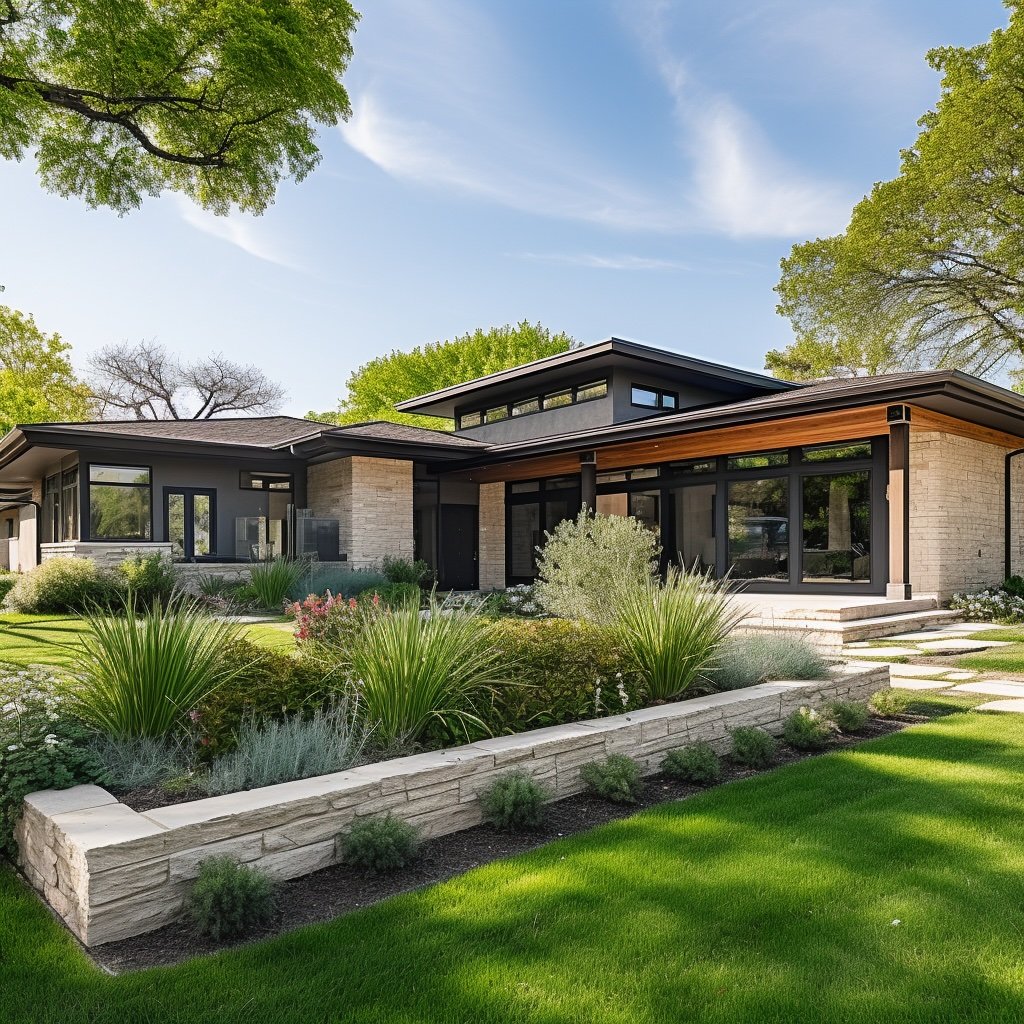
If you are thinking about buying a Bluffview at Camino Real lot or tear-down, the biggest risk is not always the house that is there now. It is whether the parcel can actually support the home you want to build. That can feel like a lot to sort through, especially when you are trying to move quickly on a promising property. The good news is that with the right due diligence, you can spot costly issues early and make a far more confident decision. Let’s dive in.
Start With the Lot, Not the House
When you tour a tear-down property, it is easy to focus on the structure and imagine what could replace it. In Bluffview at Camino Real, the better first step is to evaluate the parcel itself. Lot lines, easements, plat status, and HOA requirements can all shape what is realistically buildable.
City of San Antonio resources direct buyers with platting questions to the Land Entitlements Section. CPS Energy also notes that service requests may require a plat, Certificate of Determination, or lot survey depending on the site. That means your build plans can be affected before design choices even begin.
Questions to ask early
- Is the property already platted?
- Is a Certificate of Determination still needed?
- Where are the exact lot lines?
- Are there recorded easements or utility corridors?
- What HOA documents and architectural guidelines apply?
Because Bluffview at Camino Real is identified by the city as a registered HOA neighborhood, you should not assume you can rebuild, expand, or reconfigure the site without reviewing those documents first. A pool, driveway, retaining wall, or addition may fit differently than expected once the paperwork is reviewed.
Check Buildable Area Carefully
A large lot on paper does not always mean a large buildable envelope in practice. Utility easements, setback requirements, and access limitations can narrow where a home can sit. This matters even more if you are planning a custom design with outdoor living, a wider garage court, or added hardscape.
Before you finalize a purchase, ask for surveys and any known easement documentation. A parcel that seems ideal at first glance may require design compromises that affect layout, privacy, or budget.
Think About Sunlight and Orientation
Lot orientation can have a major impact on comfort and long-term performance. The U.S. Department of Energy notes that south-facing windows can capture winter sun, while north-facing windows tend to provide more even light with less unwanted heat gain. East- and west-facing windows are more likely to create glare and add summer heat.
For many buyers, this becomes a quality-of-life issue as much as a design issue. If you want bright interiors, manageable heat, and useful outdoor areas, the lot’s orientation deserves real attention before closing.
Why orientation matters
- South-facing exposure can support winter sunlight
- North-facing light is typically more even
- West-facing glass can add heat and glare
- Placement on the lot can affect future solar access
DOE guidance also notes that if solar access is not otherwise protected, a lot that is deeper from north to south with the home placed toward the north side may help preserve sun access. That is the kind of detail worth discussing with your architect early.
Review Mature Trees Before You Plan
Mature trees can be one of a lot’s biggest assets, but they can also create design constraints. Trees may help shade the home and lower surface and air temperatures, which can reduce cooling demand. At the same time, they may limit placement options or block winter sunlight on the south side of the home.
In San Antonio, tree rules are important to review before any clearing or demolition work begins. The city’s ordinance generally defines a significant tree as 6 inches DBH and a heritage tree as 24 inches DBH. Tree affidavits or permits are required before clearing vegetation, construction, or tree removal.
Tree due diligence steps
- Ask an arborist whether any trees are protected or heritage trees
- Confirm whether affidavits or permits will be needed
- Ask who will handle tree work during demolition and construction
- Verify that any contractor doing tree work holds a city-issued tree maintenance license
The city also expects overhanging limbs to be kept 14 feet above streets and 8 feet above sidewalks. If the lot has substantial tree cover, those requirements can affect both planning and project timing.
Confirm Access and Driveway Layout
Access can become a bigger issue than buyers expect on a tear-down lot. A beautiful home design does not help much if the driveway approach, turning radius, or garage placement does not work well with the site. In some cases, what already exists at the curb may not match what the future house needs.
According to the City of San Antonio DSD FAQ, a two-way driveway approach generally calls for a width of 24 to 30 feet at the property line. An entrance-only or exit-only approach is typically 12 to 20 feet wide. Work in the right-of-way must also align with city sidewalk and driveway design guidelines.
Ask these access questions
- Will the existing curb cut work for the planned garage?
- Is there enough driveway width for two-way access?
- Will guest parking function well on site?
- Does the turning radius support the proposed layout?
- Can fire apparatus access reach the structure as required?
The city says fire apparatus access roads must extend to within 150 feet of all portions of the facility and first-story exterior wall. That makes site planning more important than many buyers realize.
Verify Utility Readiness Early
Utilities should never be treated as a simple afterthought on a tear-down purchase. CPS Energy says a complete and accurate service address is required before service may be installed. Its application process may require address verification, a plat or Certificate of Determination, a lot survey, a meter loop drawing, and easement documentation.
SAWS also requires the property address and a deposit for new residential service. If you are buying with a tight construction schedule in mind, these requirements can affect both timing and cost.
Utility items to verify
- Is the service address already verified?
- Is any re-addressing or plat correction pending?
- Will new easements be required?
- Will the project need a meter loop drawing?
- Will temporary service be needed during demolition and construction?
These are practical questions, but they matter. Delays on utility approvals can ripple through the entire build timeline.
Treat Drainage as a Core Issue
In Bluffview at Camino Real, drainage should be evaluated from the start, not after the design is finished. The neighborhood map places the area near a US 281 tributary and Panther Springs Creek, so drainage, access, and utility routing should be verified at the parcel level rather than assumed from the neighborhood name alone.
San Antonio Public Works reviews residential and commercial storm-water plans. The city can require a Flood Plain Development Permit if a project is within the 100-year FEMA floodplain, and it may require one even if the floodplain boundary crosses only part of the lot.
Why drainage affects cost
Sloped or irregular sites may need more grading coordination, retaining-wall planning, and runoff management than flatter parcels. The city’s contour and hydrology map shows watersheds, flood plains, detention areas, basins, and 1-foot contour lines, which makes it a useful early review tool.
That does not automatically mean a lot is a poor choice. It does mean you should understand the likely site work before you waive due diligence.
Drainage questions to ask
- Is the lot in or near the FEMA floodplain?
- Is there any prior drainage history for the property?
- Will grading or retaining walls likely be needed?
- Could storm-water measures be required?
- Will planned improvements increase impervious cover enough to trigger added review?
San Antonio requires a Drainage Report when impervious cover increases over 4,300 square feet. Pools, large patios, widened driveways, and accessory structures can all matter here.
Major Renovation vs. Full Tear-Down
Some properties in Bluffview at Camino Real may look like tear-down candidates but could also be considered for major renovation. If that is your plan, floodplain rules still matter. The city notes that its 50% floodplain improvement rule can affect the scope or timing of a project.
That is one reason a renovation decision should not be based only on what the current structure looks like. The better question is whether the site and rules support the path you want to take.
A Smart Bluffview Buying Strategy
The best Bluffview at Camino Real lot is often the one that balances four things well: buildable area, sunlight, tree preservation, and manageable access and drainage. Buyers who investigate those factors early are usually in a stronger position to compare properties clearly and avoid expensive surprises later.
This is where construction-aware guidance can make a real difference. When you evaluate a tear-down through the lens of lot performance, not just curb appeal, you make better decisions about design, timing, and long-term value.
If you are weighing a Bluffview lot or tear-down and want a practical, experienced perspective, Donna Hartley can help you assess the details that matter before you commit.
FAQs
What should you check first when buying a Bluffview at Camino Real tear-down?
- Start with the parcel itself by confirming plat status, lot lines, easements, HOA documents, and the realistic buildable area.
Why do trees matter on a Bluffview at Camino Real lot?
- Mature trees can improve shade and comfort, but protected or heritage trees may require permits, affidavits, or design changes before removal or construction.
How can drainage affect a Bluffview at Camino Real build?
- Drainage can affect grading, retaining walls, runoff planning, floodplain review, and overall site costs, especially on sloped or irregular lots.
What utility questions should you ask before buying a Bluffview at Camino Real lot?
- Confirm the service address, whether a plat or Certificate of Determination is needed, and whether easements, surveys, meter loop drawings, or temporary service will be required.
Can driveway access limit what you build in Bluffview at Camino Real?
- Yes, driveway width, curb cut placement, turning radius, and fire access requirements can all shape garage layout, guest parking, and overall site design.
