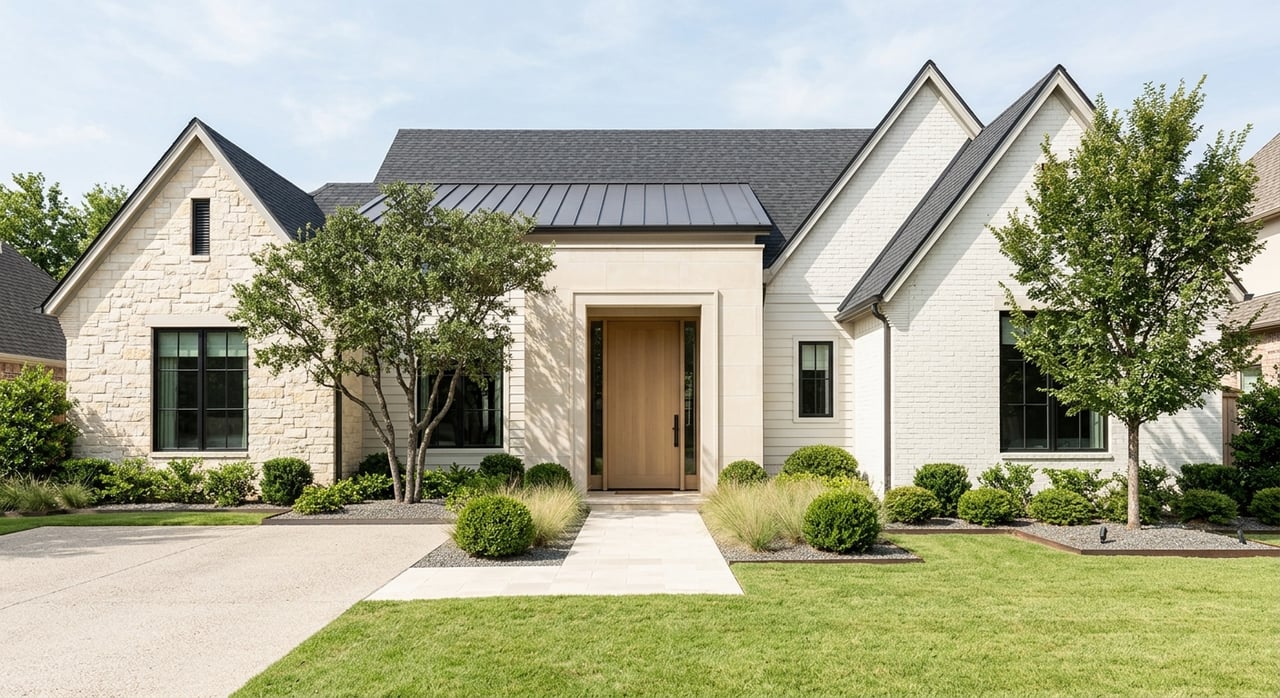
If Preston Hollow feels hard to pin down, that is because it is. On one street, you may see an original ranch tucked behind mature trees, and a few doors down, a formal estate or striking new build takes over the view. If you are trying to understand what defines Preston Hollow luxury, this guide will help you read the neighborhood with more confidence. Let’s dive in.
Why Preston Hollow Has So Many Styles
Preston Hollow developed in waves, starting with 1930s acreage platting by Ira P. DeLoache and Al Joyce. The area later became a township in 1939 and was annexed by Dallas in 1945. That history helps explain why the neighborhood still feels low density, with large lots, deep setbacks, and a wide mix of home styles.
There is also some flexibility in how people define Preston Hollow. Local coverage describes Old Preston Hollow as the core bounded by Walnut Hill Lane, Preston Road, Northwest Highway, and Midway Road, while the broader Preston Hollow name is often used more loosely in real estate conversations. For buyers and sellers, that means style and housing stock can vary depending on where you are looking.
The big takeaway is simple: Preston Hollow’s luxury identity sits on top of a varied architectural base. Most streets are still ranch-heavy, but those homes now exist alongside renovated estates, custom rebuilds, and architect-led showpieces.
The Four Main Preston Hollow Styles
Ranch and Mid-Century Ranch Homes
Ranch homes are still a major part of Preston Hollow’s visual identity. Local reporting notes that most streets are lined with modest ranch-style homes, and current listings continue to reflect that pattern. Many of these homes are single-story and sit on generous, tree-filled lots.
Common details include low rooflines, one-story layouts, long front setbacks, built-ins, and simple garage additions or carports. In mid-century versions, you may also see floor-to-ceiling windows, distinctive brickwork, and warm materials such as teak flooring. These homes often feel grounded, practical, and connected to the lot.
From a livability standpoint, ranch homes usually offer easy day-to-day flow because everything is on one level. That can appeal to buyers who want straightforward circulation and less stair dependence. The trade-off is that older homes may need updating, and many are also evaluated for renovation or future rebuild potential.
Traditional Estate Homes
Traditional estates represent the more formal side of Preston Hollow luxury. These homes are often set far back from the street and use scale, symmetry, and layered room layouts to create a strong sense of arrival. In Preston Hollow, “traditional” can include French country, Georgian, or broader European-inspired design.
What matters most is not one exact label but the overall experience. These homes often include formal living and dining rooms, private studies, multiple staircases, game rooms, motor courts, and resort-style outdoor spaces. They are designed for entertaining, separation of space, and a more structured floor plan.
For some buyers, that formality is the appeal. You get room to host, room to spread out, and room to create privacy between daily routines and guest spaces. At the same time, larger homes, more finishes, and more landscaping typically mean more upkeep.
Contemporary and New Construction Homes
Contemporary homes and new construction have become a major part of the Preston Hollow conversation. These properties often emphasize open layouts, oversized glass, indoor-outdoor flow, and privacy-focused site planning. They are designed to feel bright, seamless, and highly intentional.
In this part of Dallas, newer luxury homes are often hybrids rather than strict style purists. You may hear terms such as contemporary estate, modern farmhouse style, or California Transitional. That mix is important because many new Preston Hollow homes blend clean lines and open volumes with warmer traditional materials and details.
For buyers, the appeal is easy to understand. Newer homes often feel turnkey and may include smart systems, large kitchens, dramatic windows, and specialty finishes. The main consideration is that complex systems and high-end materials can also require a more informed approach to maintenance over time.
Architect-Designed Statement Homes
Some Preston Hollow homes stand apart because of who designed them. Public records and local preservation sources identify notable work in the area by architects including Foshee and Cheek, Mark Lemmon, Anton Korn, O’Neil Ford, George Dahl, and Charles Dilbeck. Other standout homes have been tied to names such as William E. Benson, Robert Goodwin, and Specht Architects.
These homes tend to attract buyers who care about more than square footage. Architectural provenance, originality, and design story all matter. In some cases, a home may even be viewed as a preservation candidate rather than just another resale listing.
That distinction affects how you evaluate value. With architect-designed homes, renovation decisions, preservation choices, and long-term stewardship often carry more weight than they would in a more typical property.
What Preston Hollow Style Means for Daily Living
If You Prefer Easy Flow
Ranches usually offer the simplest daily layout. Their one-story plans and compact organization can make everyday living feel intuitive and efficient. If you value comfort, ease of movement, and strong connection to the yard, this style often checks those boxes.
If You Need Formal Space
Traditional estates usually provide the most separation between rooms. That can be helpful if you want defined entertaining areas, multiple gathering spaces, or more privacy across the home. The layout tends to support both large-scale hosting and quieter daily routines.
If You Want Turnkey Appeal
Contemporary and newer builds often attract buyers who want modern function from day one. Open kitchens, expansive glass, and indoor-outdoor connections are common draws. These homes can offer a polished, move-in-ready feel that aligns with current luxury preferences.
If You Value Design Pedigree
Architect-designed homes are often the most emotional purchase. They can feel rare, deeply personal, and hard to replicate. If you care about authorship, historical significance, or collectible design, this category may stand out more than any other.
Why Lot Size Still Matters
One of Preston Hollow’s defining features is the lot itself. Large, treed parcels and deep setbacks shape how homes sit on the land and how the neighborhood feels from the street. That physical setting is part of what allows so many very different home styles to coexist.
It also helps explain why teardown and rebuild activity remains part of the local story. Local reporting has noted that about half of the original ranch-style homes have been torn down and replaced by million-dollar mansions. For buyers and sellers alike, lot value and redevelopment potential are part of understanding the market here.
Is Preston Hollow Mostly Ranches or Estates?
The honest answer is both. Most streets still lean ranch-heavy, but Preston Hollow is also known for large traditional estates, custom homes, and newer luxury construction. That mix is exactly what gives the neighborhood its layered character.
This is also why style labels can feel blurry. A home may be marketed as transitional, contemporary estate, or modern farmhouse style while still borrowing from older Preston Hollow design cues. In practice, many homes here sit on a spectrum rather than fitting neatly into one textbook category.
How to Read a Home Beyond the Style Label
In Preston Hollow, the style name is only the starting point. What matters just as much is how the home uses the lot, how the floor plan fits your daily life, and what level of upkeep comes with the design. A beautiful ranch and a beautiful estate can both be strong choices, but they solve very different needs.
This is where construction knowledge becomes especially useful. When you look beyond finishes and staging, you can better evaluate what is original, what has been updated, what may need work, and what gives the property long-term appeal. In a neighborhood with this much variety, that kind of clarity can make your decision far more strategic.
If you are buying or selling in Preston Hollow, understanding style is not just about taste. It is about fit, maintenance, resale positioning, and how a home’s design story connects to the lot and the market around it.
If you want help evaluating a Preston Hollow property through both a luxury-market and construction-informed lens, connect with Donna Hartley for a personalized consultation.
FAQs
What home styles are most common in Preston Hollow?
- Preston Hollow includes a mix of original ranches, mid-century ranches, traditional estates, contemporary new builds, and architect-designed homes, with many streets still described as ranch-heavy.
What defines a traditional estate home in Preston Hollow?
- In Preston Hollow, traditional estate homes are usually defined by larger scale, more formal room layouts, strong curb presence, deep setbacks, and features such as formal living spaces, studies, and expansive outdoor amenities.
Are Preston Hollow homes often torn down and rebuilt?
- Yes. Local reporting says about half of the original ranch-style homes have been replaced by much larger homes, which is why lot value and rebuild potential are common parts of the conversation.
Do Preston Hollow style labels overlap?
- Yes. Many newer homes use hybrid labels such as contemporary estate, modern farmhouse style, or California Transitional, so the architecture often blends design influences rather than following one pure style.
Why are architect-designed homes important in Preston Hollow?
- Architect-designed homes can carry added value because of their provenance, originality, and design significance, and some are also considered important from a preservation standpoint.
